Showing posts with label LED. Show all posts

Monday, 3 August 2015

COMING SOON! The New Philips Master 5.4W GU10. Available for Pre-Order

The newest product to be added to the Philips lighting range is the 5.4W Master GU10, this is new 50W equivalent that supersedes the  extremely popular Philips Master 5.5W GU10. In addition to the superb new design of this lamp, this 'upgrade' also offers a longer lifetime, a better colour and a higher lumen output for a lesser wattage. 

We have compared the two products in colour 830 40° and 930 40°  so that you can see the differences between the two. 


Product specification of Philips Master 5.5W GU10 830K 40°
5.5W
375 Lumens
Dimmable
Instant Full Light
Equivalent to 50W
Dimensions: Length 55mm x Diameter 50mm
40,000 Hour Lifetime

Colour 830


Product Specification of Philips 5.4W GU10 930 40°

5.4W
378 Lumens
Dimmable 
Instant Full Light
Equivalent to 50W
Dimensions: L57mm x Diameter 50mm
50,000 Hour Lifetime
Colour 930
Improved Lens Design


So, the main differences between these two lamps is the increase in lifetime, the higher lumens, the new design and the new colour of 930 instead of 830. The colour 930 is considered a much better colour due to it being higher up the colour spectrum. With all specification taken into account, we can safely say that this new 5.4W GU10 is a much better product than the 5.5W GU10 it has superseded. 

We currently have in stock the 5.4W GU10 in colour 940 40, please click here to order. The other colours and degree beams are available for pre-order. Please email sales@theledspecialist.co.uk or call us on 0118 950 7125. 


Monday, 15 June 2015

Light up your garden life!

The Philips My Garden range now available from The Led Specialist. 


This range offers you a stylish way to illuminate your garden, perfect for hot weather and those summer BBQs. Some of these have LEDs built in but others require you an additional lamp. We have made it easy on our site by including this lamp, so you don't need to worry about having to buy the lamp to go inside. 

Below is  a few examples of some of the range we have, from wall lights and porch lights to pedestals and posts, the Philips myGarden range is a fabulous way to light up your garden or outdoor space. 

Eden Wall Light LED


Creek Post Black including Philips 9.5W Corepro GLS


Bamboo Inox Wall Light with Sensor 


To access our full range of outdoor lighting, including the Philips MyGarden in addition to; floodlights, wall lights and the Outdoor Osram Lightify wifi lamps, please click here.

Friday, 5 June 2015

Which? Best Buy Lamps in Stock at The Led Specialist!

Once again the Which? Best Buy consumer awards have announced their winners for this year with brands Integral and Crompton coming up trumps. 
Wins two years in a row for Integral, last year they won the award for best spotlight with their 5.3W GU10. At the Led Specialist we have sold large quantities of these lamps and haven't heard a complaint yet! 

This year, Integral won the 1st place for best buy light bulb with the 8.2W Omni GLS which is available in BC and ES caps. It boasts a lumen output of 806, 25,000 hour lifetime and an extra wide beam angle of 260°. 


Integral commented  that, 'this is the ideal lamp for consumers who like the classic bulb look and brightness, but also want to enjoy the savings of LED. This product is perfect for existing lampshades and fixtures.' 
This lamp is equivalent to 60W and comes in colour 2700K, very warm white, perfect for your home. 

Please go to our website to see this item: 


Integral's other winner this year was the 16W Classic GLS lamp. This is equivalent to an 100W incandescent lamp and offers 1521 lumens and a  25,000 hour lifetime. It is 2700K, very warm white. This is more powerful than Integral's other winner but nevertheless also offers great performance. It is a perfect lamp to replace the existing fittings in your home and is extremely thermally efficient. 

Please go to our website to see this item: 


Crompton's winner this year is the new Manor range 5W GLS in ES and BC. Which said that this lamp, 'provides a consistent and efficient source of light and looks like an old-style incandescent too.. it is also good value.' 
These lamps offer 400-440 lumens, a 20,000 hour lifetime, 10,000 switching cycles. They are available in clear or satin glass. This is a luxury lamp for use in both in decorative and everyday applications. 


Please go to our website to see this range: 
The Led Specialist Crompton Led Manor Range


We are  extremely proud to stock all these items, please order from The Led Specialist website to see why these lamps won the Best Buy awards this year! 


Thursday, 30 April 2015

Lux Review: 600x600 Panels- Integral Panel is 5 *

Lux Magazine’s technical editor Alan Tulla has recently reviewed the latest LED replacements for recessed fluorescent fittings.

In order to review these items, Tulla tested ten different panels from the cheap and cheerful to the more expensive and higher quality aswell as edge lit and backlit. Edgelit being the flatter, slimmer panel and backlit the thicker, more hefty. Due to the competition for lowest price on the market being so hot, Tulla explains that a lot of photometric data is missing from the panels of some suppliers and this can cause issues involving glare, uneven light distribution and dark ceiling areas where the panels are not arranged properly. All making for a poor installation.

A panel that did not disappoint was the Integral Led Panel,using 40W, the panel emits over 5100 lumens, 5121 to be precise at 128 lumens per watt. Tulla states in his review that this panel is, ‘a third more efficient that many of its competitors’ aswell as having, ‘clear installation instructions and technical data. There’s even a cone diagram showing the illumination level at various mounting heights.’
Tulla finishes by saying that the Integral panel is a, ‘no-nonsense unit with huge light output at a competitive price.’
Tulla gave the Integral Panel five out of five stars.
This panel is excellent value for money and can be found on our website. http://theledspecialist.co.uk/
 If you would like to take a look at the photometric data from Integral, please don’t hesitate to contact us by email on sales@ledspecialist.couk or Telephone 0118 950 7125.

Image Courtesy of Integral, Blog post adapted from Lux Magazine Review: 600X600mm LED Ceiling Panels, Issue 44, April 2015


Monday, 23 February 2015

'Largest Street Lighting Upgrade' Signed by Philips


The Spanish capital city of Madrid is having its entire street lighting system replaced by Philips, a total of nearly a quarter of a million luminaries are to be upgraded. 
Lighting up Madrid
Lighting up Madrid

Since Philips announced their split in late 2014 their lighting division's annual sales have fallen by 3% to a mere $6.9 billion for the last year. CEO Frans van Houten has commented to investors that the North American division's performance was 'unsatisfactory' and because of this he has appointed Amy Huntington as the new head of North America's lighting business. He also commented that China's sales had also dropped due to deteriorating market conditions. This is different to the wider divisions performance which has continued to grow rapidly due to selling of LED-based solid-state lighting products in addition to a contract to replace the entire street lighting system of Madrid.

Philips is also planning to sell the automotive lighting unit in addition to Lumileds, the LED chip making branch. Lumileds commented that, 'The company is in discussion with external investors for the combined Lumileds and automotive lighting businesses and expects to complete translation in the first half of 2015.'
These two divisions composed of 8300 employees have delivered sales of $1.4 billion.

Madrid project

Philips has estimated that the market for high-power LEDs will grow at an annual growth rate of 17-21% up to 2018, whilst the growth of the the overall lighting market is estimated to be 3-5%. The lighting industry is rapidly transforming from inefficient products to highly efficient goods and now demands extreme innovation.

The CEO has claimed that Philips is outlaying over 30% more than its closest competitor in research and development to set a higher pace of technological advancement. Van Houten expects that the emerging market of data-enabled lighting systems will expand the overall market by roughly $1 billion in the next few years.

Whilst all this is going on, Philips have undertaken a monumental project to replace street lighting in Spain, Van Houten commented that, 'We signed a contract to provide the city of Madrid with what is the world's largest street lighting upgrade to date, involving the replacement of 225,000 luminaries.' He also commented that the new system would create a saving of 40% in energy which would mean the installation cost would be paid back almost instantly and mean no extra cost to Madrid's citizens.

The new system is said to feature an 'integrated command centre' which means that the entirety of the street lighting system could be controlled by a single control point.
Another project that is set for the future will see the distribution of 1.5 million Philips LED lamps in India to over a million households. This should cut lighting energy consumption by 80% and would save 80 MW in electricity generation.
With these projects Philips lighting is looking to have a prosperous year ahead but 2015 will present challenges due to the $400 million in costs due to the split and reconstruction of the company.


Tuesday, 16 December 2014

Philips Light Up The Festival of Lights

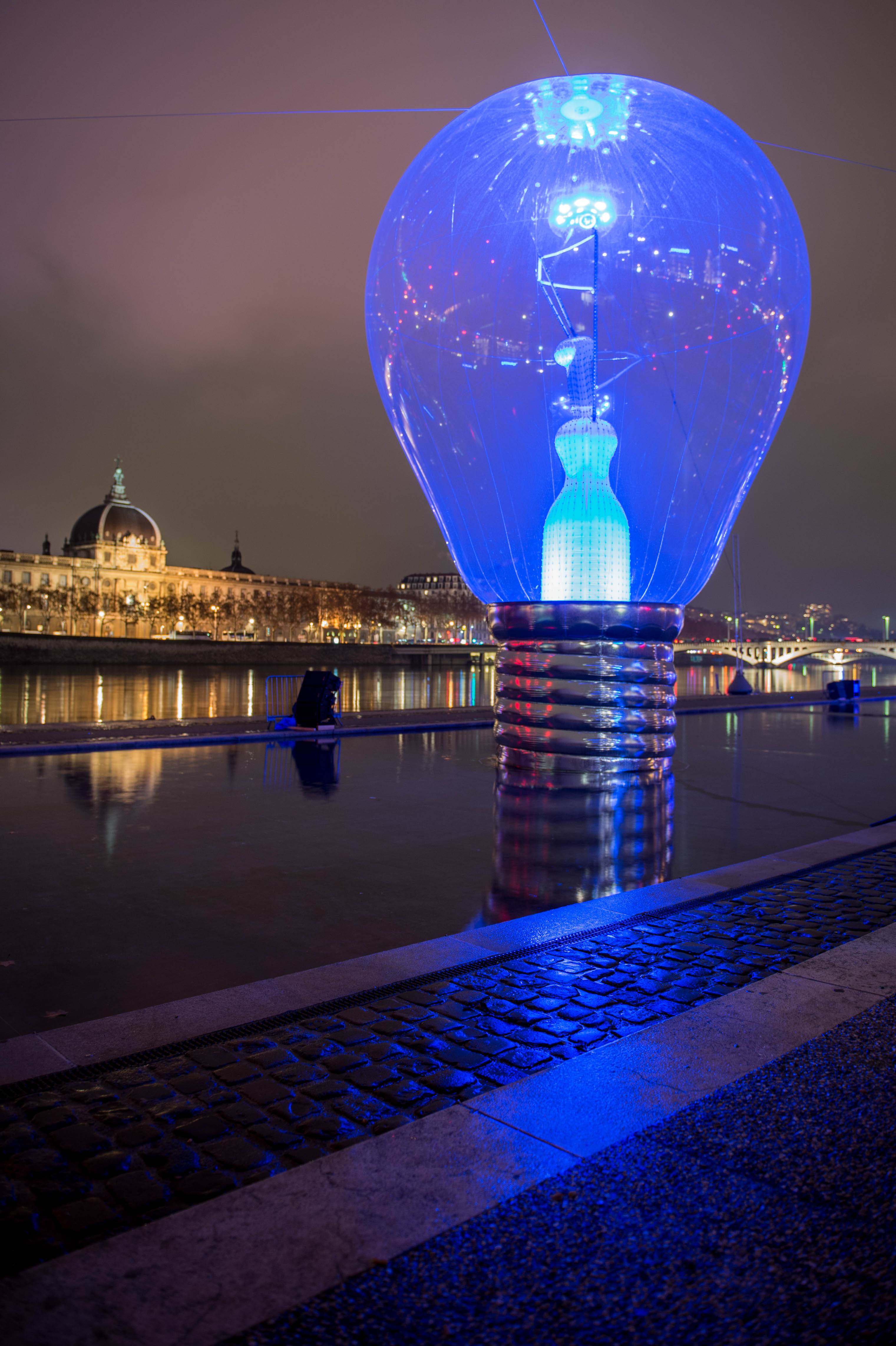
Philips Colour Kinetics LED connected lighting transforms the banks of the River Rhone.


Philips Lighting collaborated with French artist Severine Fontaine, to create the centre piece for the 2014, Lyon Festival of Light. The world famous Festival of Lights in Lyon, France is the world's principal creative lighting display event. This year the show ran from the 5th-8th December.  

The six minute, centrepiece show, spanned 80 metres of the River Rhone's banks. The phenomenal centrepiece, named "Incandescence" celebrated the importance of light in human development. 

"Incandescence" took six years to create, it featured nine illuminated domes, shaped like incandescent light bulbs.Each dome was the size of a small family car. The six minute show explored the symbiotic relationship between the human race and light. The iconic incandescent light bulb was used to represent the historic relationship between humans and artificial light, exemplifying it's often forgotten impact on human development. 

"Incandescence's" co-creator, Severine Fontaine said: "I chose to work with Philips, which is a prestigious partner, providing high-quality and high-tech products that enable spectacular light effects. The Philips technology allowed me to explore and create emotion, working light with great delicacy as if it were a musical score. Philips provided more than just products, the team also bought passion that allowed me to realize my concept and light scenario in optimal condition for the artistic quality of the art work."


Friday, 5 December 2014

Evaluating Light Output: How many Watts is that LED?

When looking to define the output of a light source most people will look for its wattage. Traditional incandescent lighting has made it a rule that a 100 watt lamp will output more light than a 60 watt lamp. This is because all incandescent lamps use the same filament material which is heated to the same temperature, so the only way to increase the light output of these lamps is to increase the wattage. This is one of the main reasons why incandescent lighting wastes so much energy. 
However, LED light sources are much efficient at converting watts to lumens. Each material which can be used withing LED sources themselves has its own light extraction efficacy. For this and other reasons, two different LED sources can consume the same wattage but different lumen outputs.  Therefore watts can not be used as an index of light output in LED light sources. 
Evaluating the 'brightness' of LED sources for each situation requires you to think differently about lighting. A 60 watt incandescent lamp emits a total light output of roughly 800 lumens, but the light is equally emitted in all directions. When you're reading at your office desk, your book does not receive all the 800 lumens from your desktop lamp, nor should it need to. 
The most important measurement is delivered light. According to the IES ( Illuminating Engineering Society) serious reading requires 500 lux on the page. Many linear LED under-cabinet fixtures and task lights can deliver this level of light whilst consuming far less than 60 watts. 
So, wattage is no longer a relevant measurement to understanding the light output of a lamp, you might want to consider this when choosing which LED  lamp you require. 

Please visit www.theledspecialist.co.uk to see our full range of LED lighting. 


This blog post has been adapted from Philips' evaluating light output: technical brief. 

Tuesday, 14 October 2014

The Physics Nobel Prize 2014 Awarded for the Invention of Blue Light Emitting Diodes (LEDs)!

The Nobel Prize in Physics 2014 has been awarded jointly to Isamu Akasaki, Hiroshi Amano, Shuji Nakamura, "for the invention of efficient blue light-emitting diodes which has enabled bright and energy-saving white light sources." 

The Nobel prize is awarded for an invention of the greatest benefit to mankind, the invention of the blue LED has fundamentally transformed lighting technology, red and green LEDs have been around for some time but without the blue LED, a white light could not have been created.
The first ever blue LEDs were made by the Nobel Prize winning trio in the early 1990s, enabling a new generation of high energy bright blue light, the basis for the new era of light bulbs. In addition to this, the development  of colour LED screens that most of you probably have in your televisions at home and your smartphone currently in your pocket.
The winners of this groundbreaking invention succeeded where everyone else had failed, in the industry and in the scientific community. They will share prize money of £0.7 million between them and will also be added to the prestigious list of 196 other Physics laureates recognised since 1901 when the Nobel Prize was first established.  Professor Olle Inganas, a member of the prize committee commented that this invention "would make Alfred Nobel very happy".
LEDs (literally) outshine traditional incandescent and fluorescent lamps, delivering better quality of light as well as a reduction in energy consumption. This improvement is as simple as this; traditional lighting whilst converting electricity into light  creates a wasteful mixture of heat and light whereas LEDs convert electricity directly into photons of light. 
One fourth of the world's electricity consumption is used for lighting purposes, so the LEDs contribute to saving the Earth's resources. Materials consumption is also diminished as LEDs last up to 100,000 hours, compared to 1,000 for incandescent lamps and 10,000 hours for fluorescent lights. 
To make your contribution in saving the Earth's resources please visit http://theledspecialist.co.uk/ and see this revolutionary invention light up your home and your planet. 


Tuesday, 7 October 2014

Wembley Stadium Arch Illuminated With Colour Changing LEDs.

Thorn, Wembley StadiumThorn Lighting has rejuvenated the lighting on the arch of Wembley Stadium with a colour-changing LED lighting system in order to provide intense colours and moving light effects.

The new system has been designed for Wembley Stadium sponsor and digital communications company, EE and will be visible on the London Skyline. The lighting system can be programmed to change colours for national holidays, football matches and other special events.

Managing director of Wembley National Stadium, Roger Maslin, said "We can now use the arch to make big, bold and entertaining statements which can be seen right across London. With so many lighting scenes the possibilities are fantastic. From the St George's Cross and team colours to highlight goals for big games, to solid and moving colours for event lighting, to the corporate colours of our sponsor EE and charity partners, the lighting is transformational and exciting." Maslin is certainly thrilled with this exciting new venture, which is sure to make an outstanding impact on the illumination of the stadium.

Senior lighting designer at Thorn Lighting, Pat Holley, who created the lighting design scheme commented that, "The arch's lighting system consists of a dynamic floodlight with red, green, blue and white LED chips. Fifty per cent of the LED chips are white and the remaining are equal quantities of red,green and blue." Thorn also designed and created a custom bracket to allow the existing fittings to be used which sped up the entire process significantly.

Kevin Stubbs, UK technical manager, reported that, "Importantly, Wembley wanted the new 'whiter' LED white to match the white achieved with the old metal halide system. We therefore had to tune the LED white to achieve this consistency."

The Arch itself is the longest single span roof structure in the world, standing at 133, tall with a span of 315m and a diameter of 7.4m. It is so large that it could fit the London Eye beneath it and can be seen from as far as 13 miles away on a clear evening, so look out for those colours in the London skyline!

Tuesday, 30 September 2014

Nationwide Street Lighting Debate Latest- Kent Police oppose street lighting switch off in their county.

The UK debate on how best to save energy and cut carbon in street lighting continues. Counties involved in the debate are now concerned with the issue that turning off street lighting may increase crime levels. 

Exeter's plan is to turn of lights between 12:30am and 5:30am on minor, less busy roads. Loughborough followed suit by switching off around half of all its streetlights from midnight to 5:30am as part of the Leicestershire county attempt to cut energy costs. 
Instead of turning its lights off, Gloucestershire county council has indicated that it is moving ahead with a plan to install LED street lighting across the county. The county council stated on its website that, 'Approval was given for the council to go to the market and invite proposals for a 12 year contract to replace our street lighting with LED technology.'

Gloucestershire has made other attempts to save energy on its street lighting. By dimming lights on main roads and implementing partial night lighting it is working towards reducing the annual £2 million that its 60,000 street lights consume in electricity, but it believes that using LED street lighting will include further benefits such as, 

- 'Up to 50% reduction in energy usage.'
- 'They can also be dimmed to any level of light output with a corresponding decrease in energy use.'
- 'Low usage- 70% reduction in street light lamp maintenance costs.' 
- 'Better quality of light.'
- 'Fewer faults.' 
- 'Less light pollution.' 

Wigan, has become the latest UK municipality to switch street lighting to LED, now joining with Liverpool and Glasgow.  The borough is investing £11 million to replace 31,000 lights with LEDs.

'I know some councils are switching lights off to save money but I don't think that's something people would want in Wigan Borough,' Wigan Council Leader Lord Peter Smith said in a press release. 'We’ve instead come up with a new scheme to replace our existing lights with LEDs which will still offer the same service the public expects but will be considerably cheaper.'

Wigan has opted for Philips LEDs and control systems, and is counting on Philips to cut their electricity bill by 60%, save them £1 million a year and provide lighting that will last for twenty years plus. 

Whilst several areas have decided to replace their street lighting with LEDs, most of the counties involved maintain that turning off the street lights during the early hours will make a long term energy saving, most probably to avoid paying the initial costs of LEDs. What  cannot be overstated is how much energy, money and time LEDs would save the councils but finding a spare £11 million like Wigan, is a mean feat for most councils. 

The debate over street lighting is now concerning other issues than its costs, worryingly, taxi drives in Chepstow are showing their dissatisfaction with the street lighting being switched off for several hours in the night by claiming that it will increase their chances of running over hard to see drunkards!

 Chepstow have already started turning off street lights between midnight and 5 in the morning in an effort save £180,000, a mere fraction of the money that could be saved by switching to LEDs. 

Meanwhile, Kent County council have promoted that switching off street lighting in the dark hours is 'safe and sensible' but the resident backlash has stated that switching of street lighting is anything but. Kent police are backing residents, they suggest that street lighting has proven to cause reductions in crime levels.
Kent began switching off street lighting in quiet areas from 1am to 6:30am and Police have been monitoring the crime levels in such areas since. They confess its too early to tell whether crime levels have indeed increased but its concerns are partly based on a report from the professional association, the College of Policing. 

And so, the debate continues...


Tuesday, 23 September 2014

Philips Diamond Spark Candles used in Harrods Wedgwood Concession.

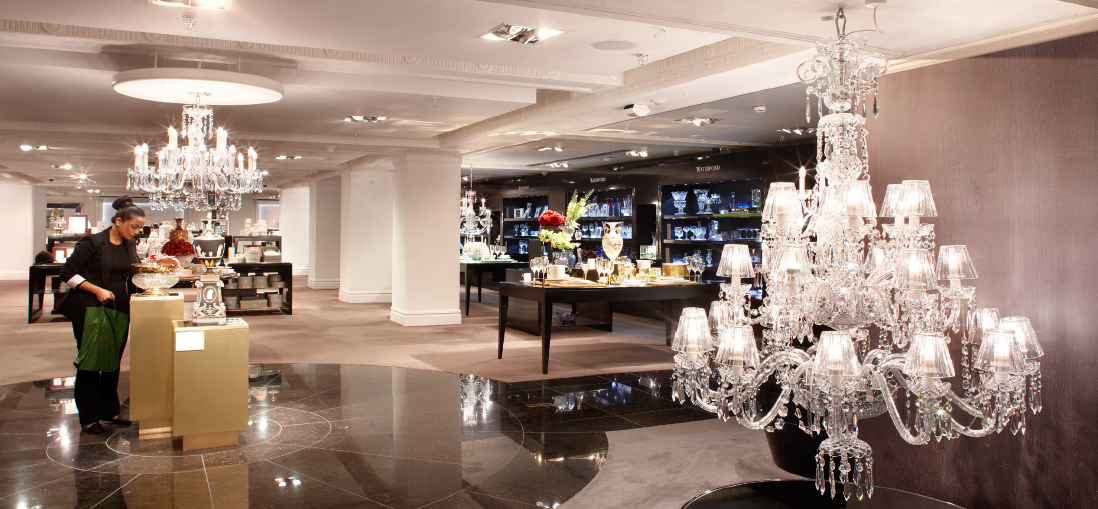
Harrods in Knightsbridge, London, the most famous department store in the world is now home to Philips LED Diamond Spark Candles, the next generation of MasterLED candles. The Wedgwood concession in store where the Candles have been used is lit by chandeliers. With Wedgwood being a global brand acclaimed for its luxury home and lifestyle products it was essential for the chandeliers to have the best possible lamp providing the best possible illumination.

The chandeliers were originally fitted with 15W halogen candle lamps when the Wedgwood Concession was first opened. Although they created the correct visual effect, their high heat output meant that the comfortable conditions that Harrods requires could not be maintained by the air conditioning. Furthermore, the inefficiency of the halogen candles was wasting an awful lot of energy. 

To solve these problems, Harrods initially replaced the halogen candle lamps with standard LED candles but these did not fulfill the sparkling standard that was provided by the original halogen lamps. The Philips Diamond Spark Candles were the best solution. The next generation candle lamps feature a revolutionary lens shape and design that refracts light differently in order to create incandescent-like, glittering light effects. 

The MasterLED Diamond Spark candles have brought the sparkle back to the Wedgwood concession. Not only do they enhance the appearance of the chandeliers themselves but they make the luxurious Wedgwood products even more appealing to customers. By making this change from a 15W lamp to a 4W (now 3.5W) Diamond Spark candle, Harrods has reduced its electrical installation load by 74%, creating a huge saving on their energy consumption. The candles also produce much less heat than the halogen lamps meaning that their air conditioning costs have also been cut. In addition to this, the candles have a lifetime of 20,000 hours which means the lamp replacement cycle will be extended and maintenance costs reduced. 

Mark Fleming, Harrods Engineering Technical Manager commented that, 'The chandeliers now look brilliant and the shop floor staff are very happy with the new candle lamps. We will be specifying them for all of the chandeliers throughout the store in the future.'

If you want to replace your outdated halogen candle lamps for these fantastic Diamond Spark candles please go to www.ledspecialist.co.uk to purchase yours now! 


Tuesday, 26 August 2014

Available for Pre-Order: Hue Lux

philips_hue_lux_bulbs.jpg
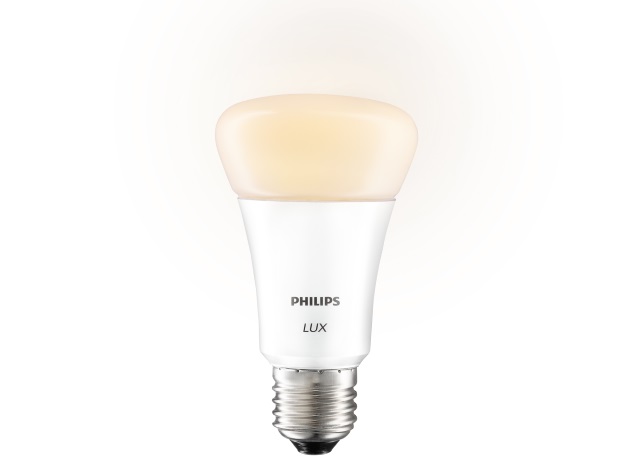
Following the astronomic success of the original Hue lamps, Philips lighting have created Hue Lux. These new white only bulbs emit fully dimmable warm white light and have all the functionality of the original Hue lamps. 

These lamps have been designed to produce a welcoming warm white light which can be dimmed to suit your mood or occasion. The can be controlled via the Hue app which is available on most smartphones. 


A spokesperson for Philips explains: "Hue Lux is a snap to set up and use and the bulbs fit right into your current light fittings or luminaires. Choose a starter pack or add to it with a single bulb. 

Philips Hue Lux provides a personal and interactive way to control lighting from a smart mobile device or tablet. It enables use of light in a variety of functionality such as timers, alarms, geo-fencing and soft security elements.

Philips Hue LuxWait for the three LEDs on the bridge to light up. Download the free Hue app to your iOS device and connect your device to the bridge. Find your bulbs. Name them. And start controlling your lights. You can add up to 50 bulbs to your systems"

Here's what's new:

iOS:
  • Added improved support for Hue Lux lights, our new white only bulbs
  • Added a showcase of 3rd party apps we like
  • Numerous UI improvements including
  • Merged Light Control and Light Overview into a single Lights menu option (iPhone/iPod only)
  • Improved responsiveness of scene recall and enabled background scene blurring for all devices
  • The photos on the Scenes dashboard have been given a new more modern look
  • Improved interaction for scene creation and editing
  • Bug fixes and stability improvements
Android:
  • Added improved support for Hue Lux lights, our new white only bulbs
  • Added a showcase of 3rd party apps we like
  • Numerous UI improvements including
  • Improved Light Control
  • The photos on the Scenes dashboard have been given a new more modern look
  • Improved interaction for scene creation and editing
  • Bug fixes and stability improvements

To order your very own Hue starter pack or for more information on this or any other LED lighting product call 0118 950 7125 or visit www.theledspecialist.co.uk

Friday, 22 August 2014

The Department of Energy and Climate Change Practice What They Preach and Install LED Lighting

Lighting in the Department of Energy and Climate Change (D.E.C.C.) has been replaced with energy efficient, cost effective LED light sources. Since their installation, member of staff have commented on the improved brightness levels and lower energy consumption.

Prior to the upgrade, the offices at 3 Whitehall Place were illuminated by T5 fluorescent lamps. Some argue that T5 and LED lamps have the same energy saving features; building managers often opt for T5s due to their low cost. The D.E.C.C. believe a clear advantage of opting for LED light sources is their localised control system which turns lights off if rooms are vacant and dims them down to 5% as natural daylight pours in.  

During the make-over, the fluorescent lamps on all 8 floors of Whitehall Place were replaced with 1,300 Philips LED fittings.

In their own case study D.E.C.C. stated: “Compared to retrofits in most comparable buildings, which tend to use relatively inefficient T8 tubes, the energy savings are slightly lower, however they are very significant.”

The project spanned for 26 days and cost £401,000, during this time the building’s heating and cooling system was also upgraded. Since these two renovations, the energy consumption in Whitehall place has reduced by almost 30%, majority of these energy savings can be attributed to the lighting switch-over.

The D.E.C.C. anticipates annual savings of around £22,000, predicting an addition £7,000 saving on maintenance costs. They said: “There are additional savings to be had from the switch to LED lighting in the form of lower maintenance costs- it is claimed that LED luminaires typically last 5 times as long as the fluorescent equivalent.”

This refurbishment is part of the government’s recently announced UK Lighting Sector Strategy. This new initiative intends to slash energy consumption and encourage innovation in lighting.

Aside from the obvious energy and maintenance savings, the lighting overhaul has other benefits. A D.E.C.C. spokeswoman reported that responses to their questionnaire showed that, 71% of workers at Whitehall Place found that the LED light sources improved the lighting in their work space.  

Tuesday, 19 August 2014

Philips' Light at the Museum Pilot Study

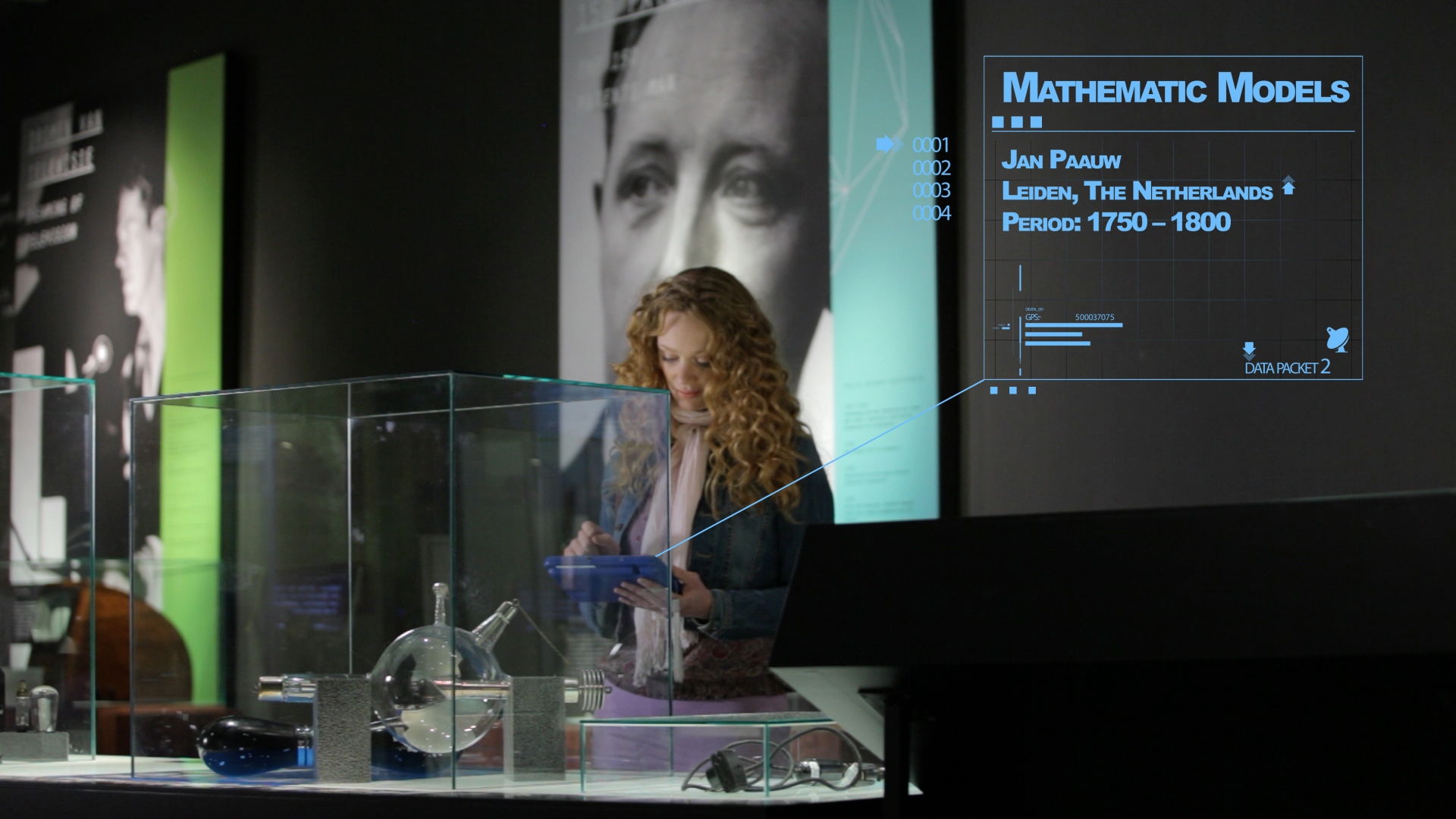
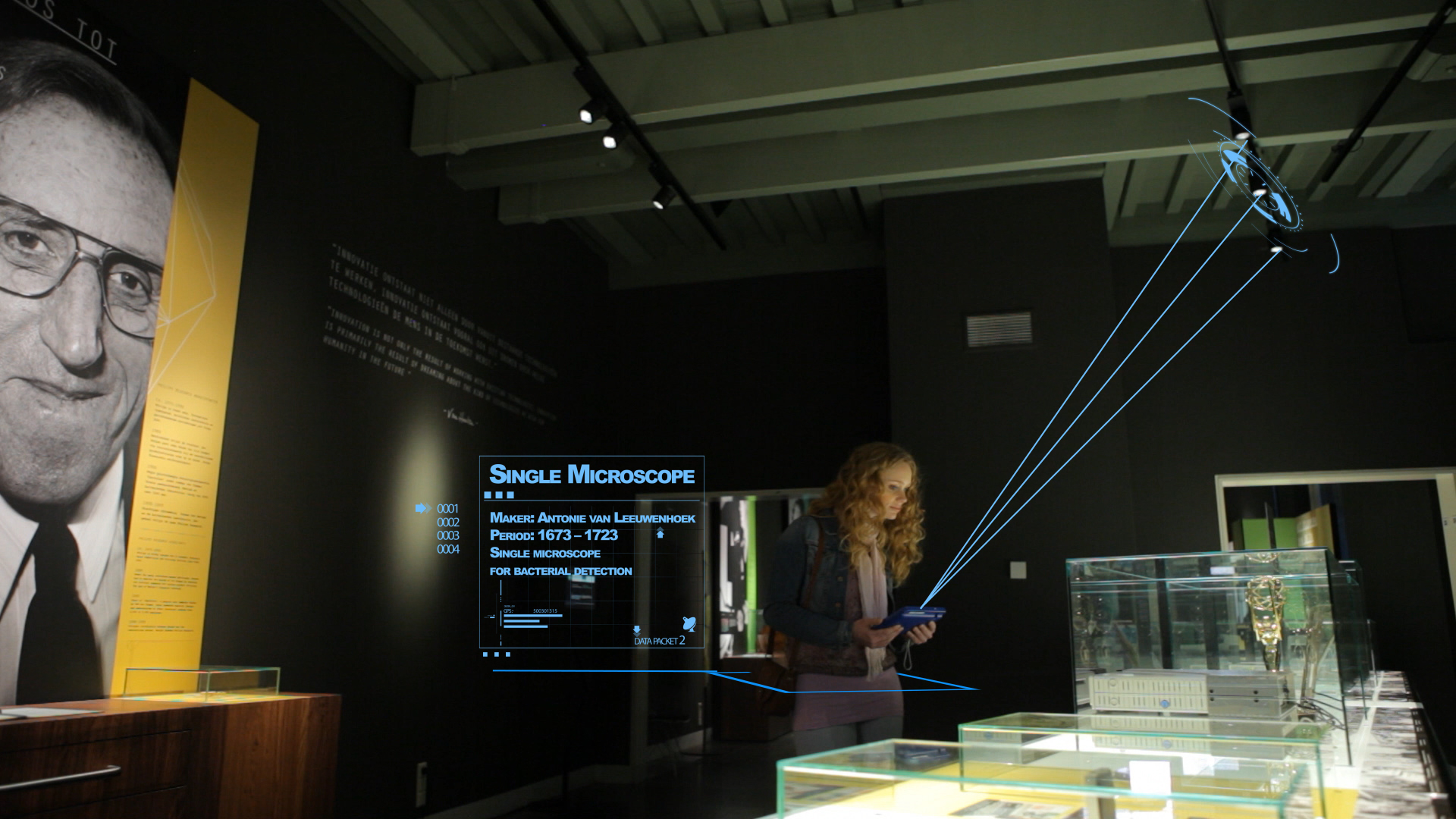
The Dutch National Museum for Science and Medicine was home to Philips' landmark pilot study for connected lighting mobile apps. Findings from the study indicated that 7 out of 10 museum visitors would like to receive location relevant information via their smartphone.

Philips, the global leader in lighting, hopes this innovative mobile app for connected lighting will provide a template for use in museums, hospitals and supermarkets in the not so distant future. 

The exhibition is part of a pilot project for Philips' LED based connected lighting systems for indoor positioning. The connected lighting systems use Visual Light Communication (VLC) technology. The exhibitions luminaires are placed in a positioning grid, they are individually identifiable and communicate with the camera's sensors in smartphones and tablets. Each light fixture in the grid communicates by blinking at high frequencies undetectable to the human eye, information relevant to the patrons location within the exhibition is transmitted through these fast pulses. VLC transmits data one way only meaning users personal data cannot be accessed by the connected lighting app. 

Upon arrival at the museum, visitors were given a tablet with a pre-installed app, the app contains a variety of multi-media content relevant to various locations within the exhibition. As the visitor moves around the exhibition, the individual light fixtures act as positioning beacons transmitting their location to the tablets camera sensor which trigger the apps content at various locations.
Visitors completed a short survey after their museum tour, the findings indicate that;
67% of visitors liked the fact that the tablet automatically provided additional relevant information at various information points

63% of visitors said that the tablet made the visit to the exhibition more enjoyable and interesting
50% of visitors under 50 years old said they would visit museums and exhibitions more often if there were tablets available to provide additional information or to guide them around a special route

Dirk Van Drift, Director of the Boerhaave Museum said: “We now know that offering a location aware and interactive experience encourages people to visit our museum more often. What is also really exciting and innovative is that we were able to achieve this by using energy efficient lighting, giving us a double advantage.”

The “smartphone generation” (those under 50) said they were open to trying connected lighting mobile applications in a number of settings. Almost 50% of all visitors claimed they would like to receive location-based information and use way finding services offered via the app in hospitals, shopping centres and supermarkets.

Jella Segers, from Philips Lighting said: “The survey findings show that we need to think of lighting differently. Lighting has gone beyond mere illumination. We can now deliver great quality and highly energy-efficient LED lighting that acts as a positioning grid to deliver targeted information, enriching people’s experiences of the places they visit, whether it’s a museum, supermarket, airport terminal or any large public indoor space.” 


Friday, 15 August 2014

Leading Student Accommodation Developer, Unite Students, Announce a £21 million LED Switch-Over

Unite Students have teamed up with industry gorgon, Philips Lighting, to replace existing halogen and incandescent light sources with energy saving LED lamps in all their student properties by 2016.

Unite estimate the lighting project will take 2 years to complete. It will cover over 120 properties, 23 UK towns and cities, creating better living and working environments for staff and students. During the switch-over, more than 300,000 LED light fittings and 85,000 dimmers and sensors will be installed in corridors, kitchens, lounges, common rooms, reception areas and even outdoor spaces.

Philips LivingColours lamps (pictured) will be installed in every student bedroom throughout Unites properties. These innovative lamps will allow students to personalise their lighting to suit their purpose, be it studying, relaxing or socialising. 

The LED switch-over is part of Unite’s recently developed “Home for Success” scheme. Under the “Home for Success” scheme, Unite pledges make improvements which will make their 41,000 student residents feel more at home whilst reducing energy consumption and maintenance costs. It is hoped the “Home for Success” scheme will have a 5 year payback time; the resulting savings have already been assigned to other areas, including; free cleaning services and longer reception opening hours.

Richard Smith, Managing Director for Unite Students, said: “We are pleased to announce this partnership with Philips and our investment in LED lighting, which supports Unite Students’ commitment to providing a home for success for the students that live with us. Success for students means many different things from getting the best degree they can, securing a job after graduating, making lasting friendships and relationships to personal growth and developing into who they want to be.”

He continues: “The new lighting will create a more inviting space for students which they can personalise for socialising or study. At the same time it will reduce Unite’s carbon footprint and the longer lifecycle of LED lights will significantly reduce maintenance workloads for our city teams.”

Philips’ Commercial Director for the Office and Industry sector, Dan Scott said: “Philips is working closely with Unite students to drive down energy consumption and maintenance costs through the use of efficient lighting. The new lighting is also helping Unite Students to achieve its primary goal of creating the best possible environment for student learning; reinforcing the power of light to uplift and transform our surroundings.”


Dan explains: “In addition to supplying the lighting itself, Philips is providing a range of services to support Unite Students in unlocking the potential that lighting can bring, both in terms of energy efficiency  and ambiance. Prior to commencing the roll out across the portfolio Philips surveyed the Unite Students properties to evaluate the existing lighting, in order to deliver the best results and recommend the most appropriate lighting solutions. Philips will manage the installation and provide after sales service support to the Unite Students team.”

Tuesday, 12 August 2014

Tonight Chelsea FC Become The First Premiership Club To Use LED Floodlighting

This evening Stamford Bridge will host the UK's first football game lit by LED floodlights. During Chelsea's friendly against Real Sociedad, Philips lighting promise fans and players better quality light and enhanced night vision thanks to their innovative ArenaVison LED floodlight system.  

CEO of Philips Lighting, Eric Rondolat explains: "The world's first ever floodlit football match took place in England, so as sports lighting goes digital it is only right that the lighting standard is again being set there. We are witnessing another technology milestone in the modern football game."

Philips ArenaVision LED floodlighting solution was created to meet the latest Premier League broadcasting requirements whilst provide players, broadcasters and fans with a top class sporting experience. Philips ArenaVision LEDs emit flawless, uniform beams of light creating exceptional vertical illuminance of the players. 

Eric Rondolat elaborates: "Our LED pitch lighting meets the new stringent broadcast criteria of the English Premier League in helping to deliver high definition, flicker-free, super slow-motion images and ensures that Chelsea delivers the best possible viewing experience to the 40,000 plus fans in the stadium as well as those at home." 


It isn't just broadcasting images that are improved by ArenaVision, the club can also expect a huge improvement in its environmental impact. Unlike the old fashioned metal halide floodlights, used in previous seasons, the new LED solution can be switched on instantaneously eliminating the need for a warm up period which in turn reduces light pollution in the area. Maintenance costs are also significantly reduced as Philips LED floodlights promise to last for up to ten seasons whereas the old metal halide lamps could only be used for three seasons. 

As with most connected lighting systems, ArenaVision is complete with its own dedicated user interface and control system. The club's maintenance managers will easily be able to switch between optimal lighting configurations, giving them total flexibility and the ability to dim and switch each individual floodlight. 

The control system comes with an added benefit, it can also be used to create entertainment lighting. The control system can be used to create a number of lighting effects that previously could only be achieved using dedicated stage lighting. This additional features means the floodlights can be easily integrated into pre- and post-match light shows creating the ultimate, exciting stadium atmosphere. 

Ron Gourlay, Chief Executive of Chelsea FC said: "I am delighted to be able to work with Philips on delivering the best possible environment for our supporters to enjoy Chelsea matches in. Once again, Chelsea Football Club is at the forefront of innovation and we look forward to many more memorable games at Stamford Bridge under this new floodlighting system." 

After seeing the benefits of ArenaVision at Stamford Bridge, Chelsea FC are in the process of up-lamping it's training ground to ensure lighting at training is similar to that of match days. The new high-tech connected lighting system will also enable the club to create varied illuminance levels by only lighting specific areas of the training ground creating the ideal practice environment for it's world class players.  

The LED Specialist and our sister company, Lightsave Fuller Read are preferred Philips lighting distiributors, if you require more information on this or any other LED lighting product visit our website http://theledspecialist.co.uk/ or call 0118 9507125

Friday, 8 August 2014

New Government Scheme Aims To Encourage Businesses To Replace Outdated Lighting

The Department of Energy and Climate Change (DECC) has announced their plans to encourage businesses to cut carbon emissions and reduce the demand on the National Grid.

The scheme allows businesses to compete against one another for money to fund energy efficiency measures. The budget for the pilot scheme has been set at £20 million. Businesses will bid for the money to fund lighting renovations which would not be possible without the funding.

The first stage of the scheme is a £10 million Electricity Demand Reduction auction. The auction will be open to all sectors of the economy up and down the country. The auction gives businesses the opportunity to bid for funding for a variety of projects, including LED switch-overs and improving motors and pumps.

The government has shown particular interest in projects which promise to deliver up to 100 kilowatts of savings throughout the winter period. The DECC tells us that over 300 organisations including hospitals, airports and supermarket chains are considering taking part in the auction.

The pilot auction scheme will run for two years. If the 2014 trial is successful and delivers lasting electricity savings, the government will continue to offer such funding through the capacity market due to be launched later this year.


It is hoped this will ease the pressure on the National Grid who, as we reported earlier this month, are expecting blackouts during the winter of 2015 due to their inability to meet our increasing electricity demands. Capacity providers will be offered a steady, predictable revenue stream in return for a guarantee they will deliver energy when needed. This is likely to result in increased bills for energy consumers, estimated at £13 per household per year.